Dog Emergency Vet Guide: Ormond Beach Hazards Every Pet Owner Should Know
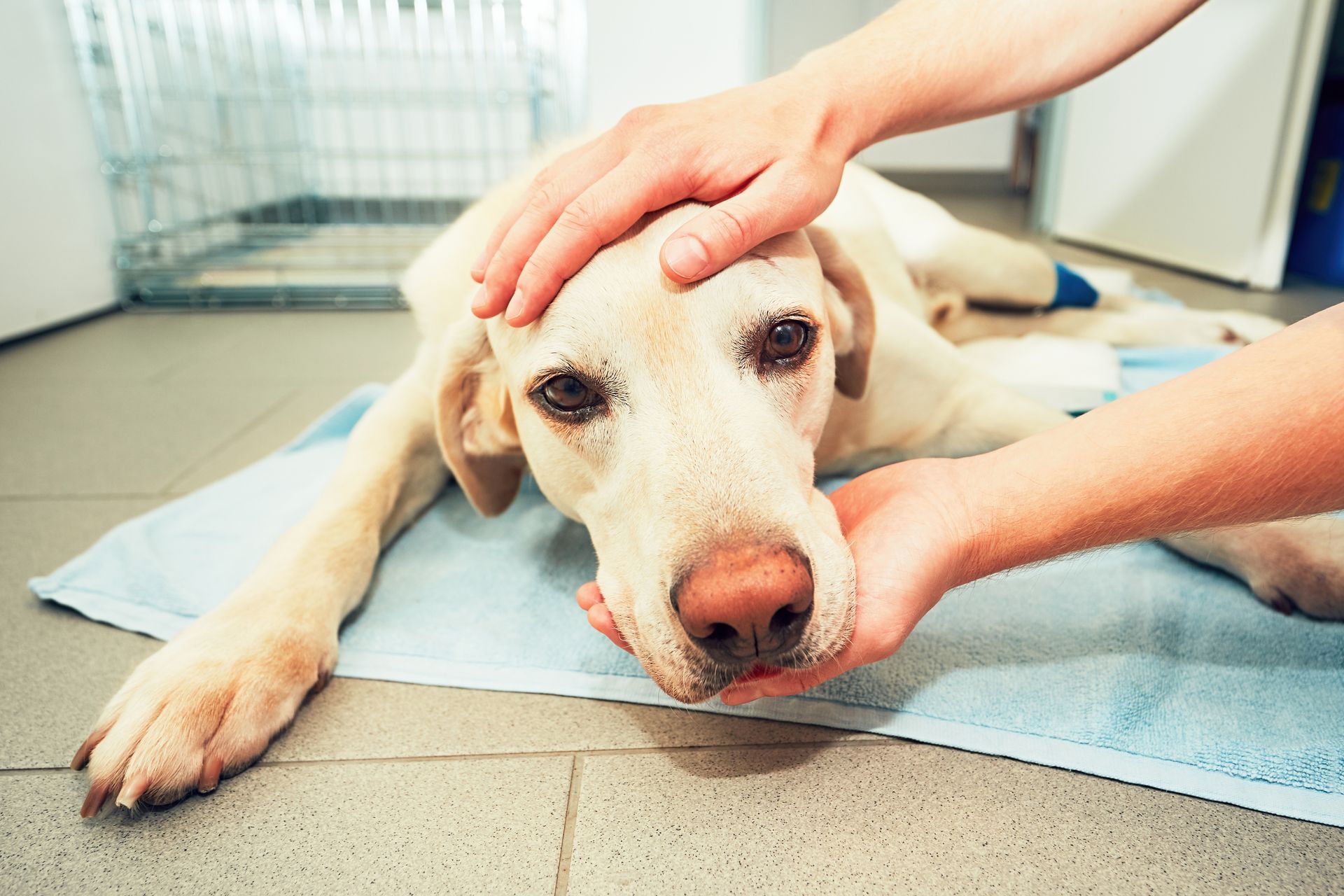
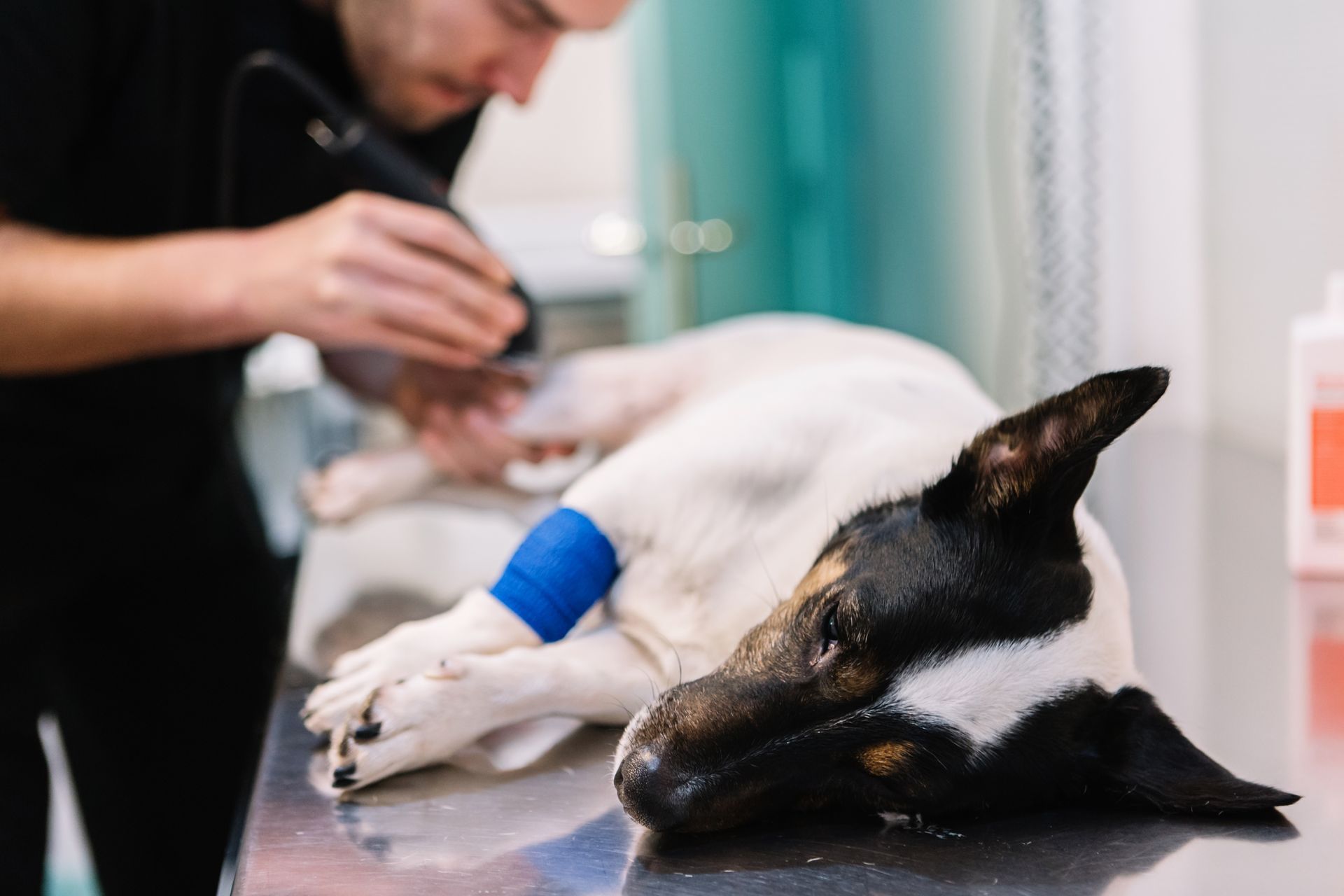
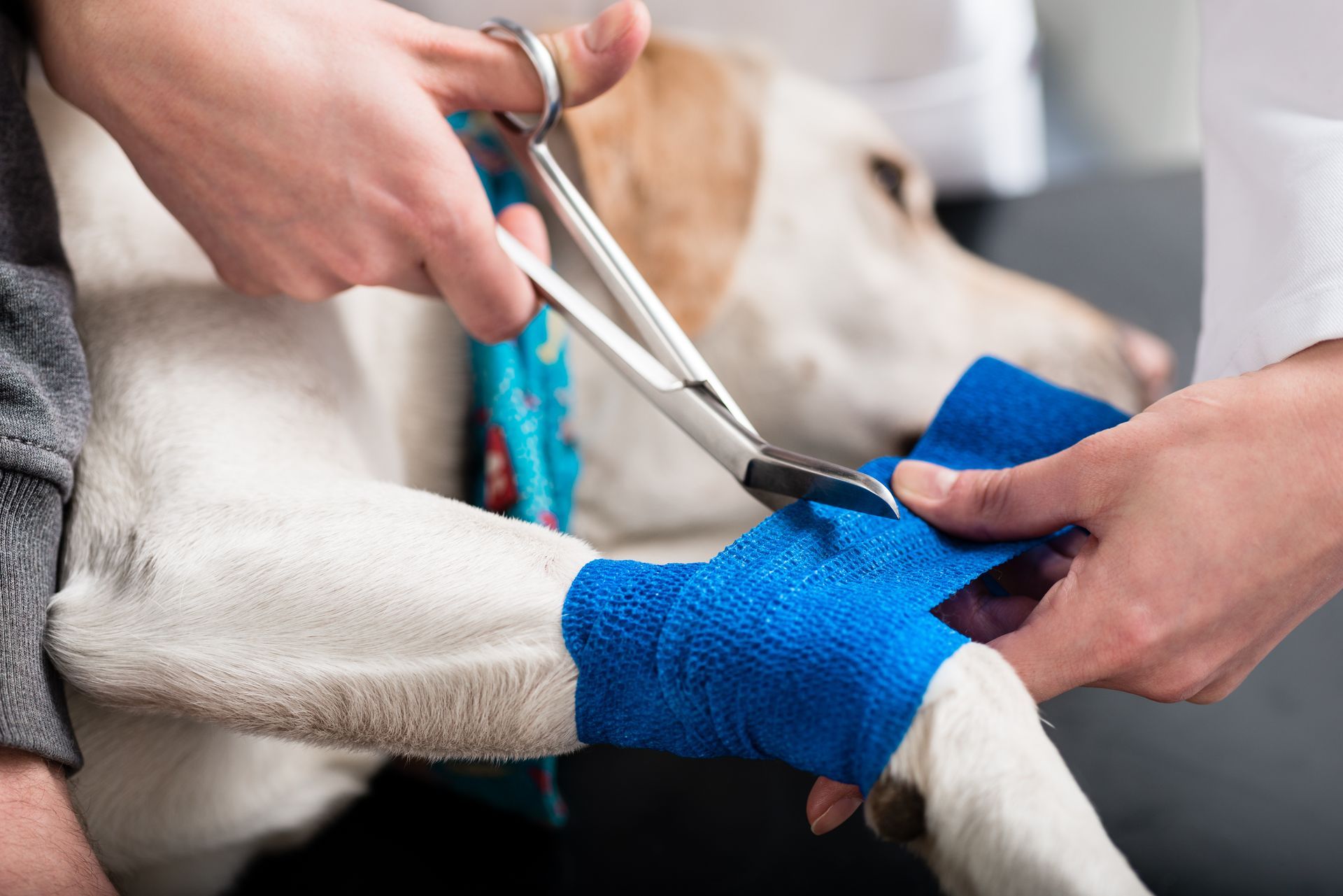
Knowing when your dog needs a dog emergency vet is information every Ormond Beach pet owner may need at a moment's notice. Dogs that spend time along the Volusia County coast, at the beach on A1A, or on trails near Tomoka State Park can face health threats that escalate fast. This post covers three of the most serious local hazards, how to recognize warning signs, and when to seek urgent care from a dog emergency vet.
Heat Risks Near Tomoka State Park and the Ormond Beach Shoreline
Ormond Beach has warm, humid summers that can overwhelm a dog's ability to cool down. Dogs cool themselves almost entirely by panting, and on a hot, humid day, panting may not be enough. A morning hike near Tomoka State Park, just three miles north of Ormond Beach off North Beach Street, can turn dangerous when afternoon temperatures climb and shade disappears along open trail stretches.
Signs of Heatstroke in Dogs
Heatstroke can cause organ damage within minutes. Early warning signs include heavy panting, thick or ropey drool, bright red gums, and restlessness. As the condition progresses, a dog may vomit, become wobbly, or collapse. A body temperature at or above 104 degrees Fahrenheit is a heatstroke-range emergency. If your dog shows any of these signs after outdoor activity in the Ormond Beach, FL, heat, move them to shade or air conditioning, apply cool (not ice-cold) water to their belly, armpits, and paws, and get to a dog emergency vet right away. Do not wait to see if the dog improves on its own.
Hot Sand and Paw Burns at the Beach
Beach sand can reach dangerous temperatures during peak afternoon hours. When air temperatures sit at 85 degrees, exposed sand may heat to 125 degrees or higher, burning a dog's paw pads within minutes. Press the back of your hand to the surface for seven seconds before crossing the sand. If it is too hot for your hand, it is too hot for paws. Signs of a paw burn include limping, persistent licking, redness, or blistering. Cool the paws with water and contact a dog emergency vet if blisters or raw tissue are visible.
Is Saltwater Bad for Dogs? What Ormond Beach Pet Owners Should Know
Yes, saltwater ingestion can be genuinely dangerous. Ocean water contains roughly 3.5 percent sodium, and when a dog drinks too much, excess salt pulls water out of the bloodstream and disrupts electrolyte balance. This can lead to dehydration, vomiting, diarrhea, and in serious cases, seizures. Dogs playing in the surf along Ormond Beach often swallow water repeatedly without their owner noticing. Carry fresh water and offer it frequently. If your dog develops persistent vomiting, bloody diarrhea, or lethargy after a beach visit, contact a dog emergency vet immediately.
Dogs that mouth a washed-up jellyfish may experience swelling or drooling that also warrants urgent veterinary attention.
Common Toxin Exposures Around Ormond Beach
Sago Palms in Florida Yards
Sago palms are common throughout Ormond Beach landscaping. Every part of the plant is toxic to dogs, and ingestion of even a single seed can cause vomiting, lethargy, seizures, and severe liver failure. Symptoms may begin within 15 minutes or take several hours to appear. If your dog chewed any part of a sago palm, do not wait for symptoms. Go directly to the nearest emergency vet.
Blue-Green Algae in Local Waterways
The Tomoka River and other inland waterways near Ormond Beach may develop harmful algal blooms during warm months. Toxins produced by cyanobacteria can cause liver failure, seizures, paralysis, and death in dogs, with symptoms starting within five to twenty minutes of exposure. Water may appear green, blue, or foamy, but not all toxic blooms are visible. Keep dogs out of discolored or foul-smelling water, and seek emergency care immediately if your dog swam in or drank from a questionable waterway.
Cane Toads After Rain
Cane toads are active in Florida, especially during and after warm rain events. Dogs that mouth or lick a cane toad may begin foaming at the mouth, show very red gums, and progress to tremors or seizures within minutes. Rinse your dog's mouth with water, wipe the inside of the mouth with a damp cloth, and head to a dog emergency vet without delay.
Knowing When to Act and Where to Go
Every minute matters in a pet emergency. Veterinary Emergency Center of East Volusia is ready when your regular vet is unavailable and your dog cannot wait, serving Ormond Beach, Daytona Beach, Port Orange, and the surrounding Volusia County area.
Visit our emergency veterinary services page to learn what our facility is equipped to handle, or
visit our contact page and call
(386) 761-1911 any time you suspect your dog is in crisis. Save our number now, before you need it.
Read what local pet owners have shared about their experience with Veterinary Emergency Center of East Volusia.