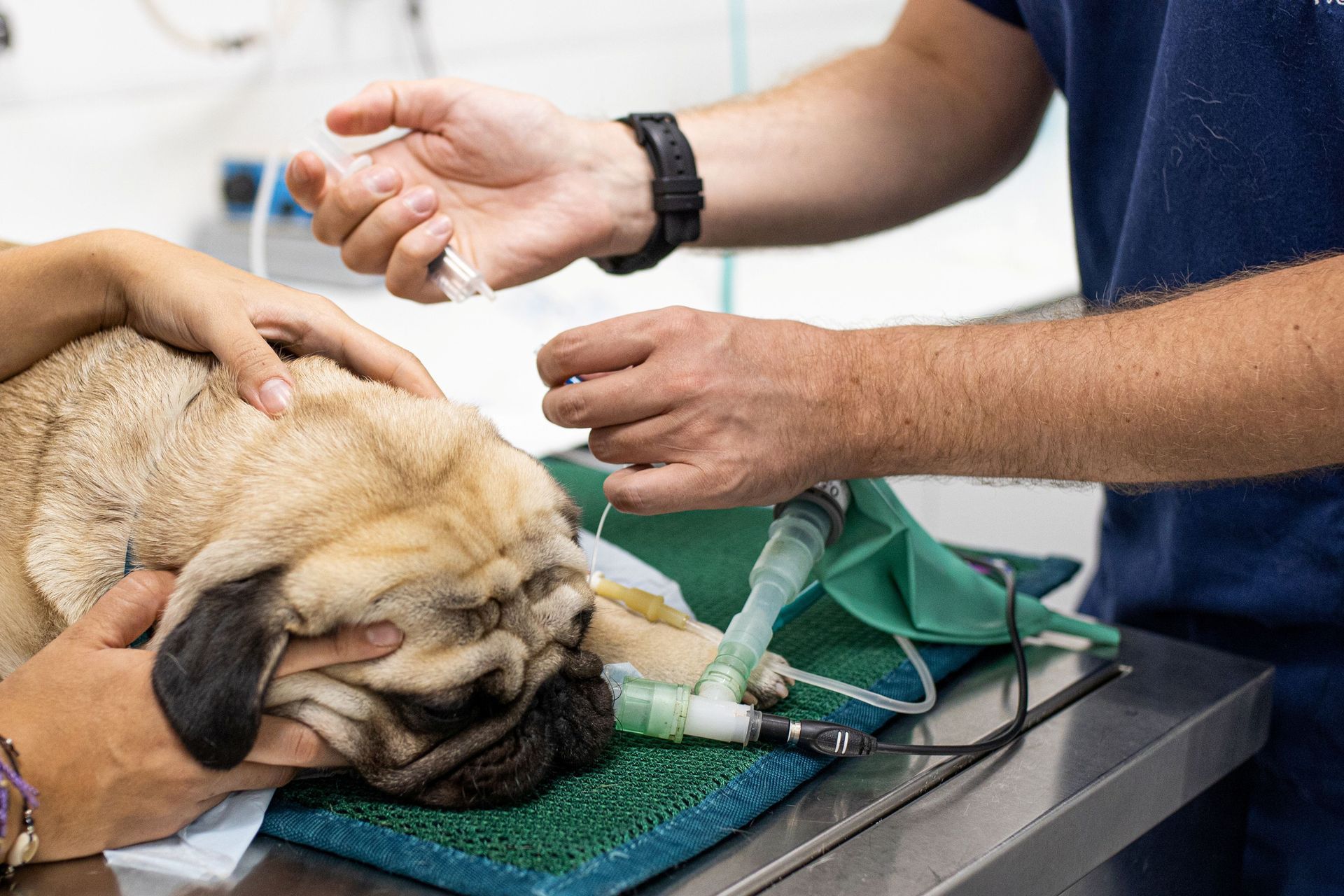
What to Do in a Pet Emergency After Hours in Volusia County: A 2026 Step-by-Step Guide for Pet Owners Serving Ormond Beach, FL
Pet emergencies rarely follow a schedule, and knowing what steps to take after hours in Volusia County can make the difference between a stable pet and a worsening crisis. This guide walks pet owners serving Ormond Beach, FL, through four clear steps so they can act fast, stay calm, and find the right emergency vet near Ormond Beach, FL, when their regular clinic is closed.
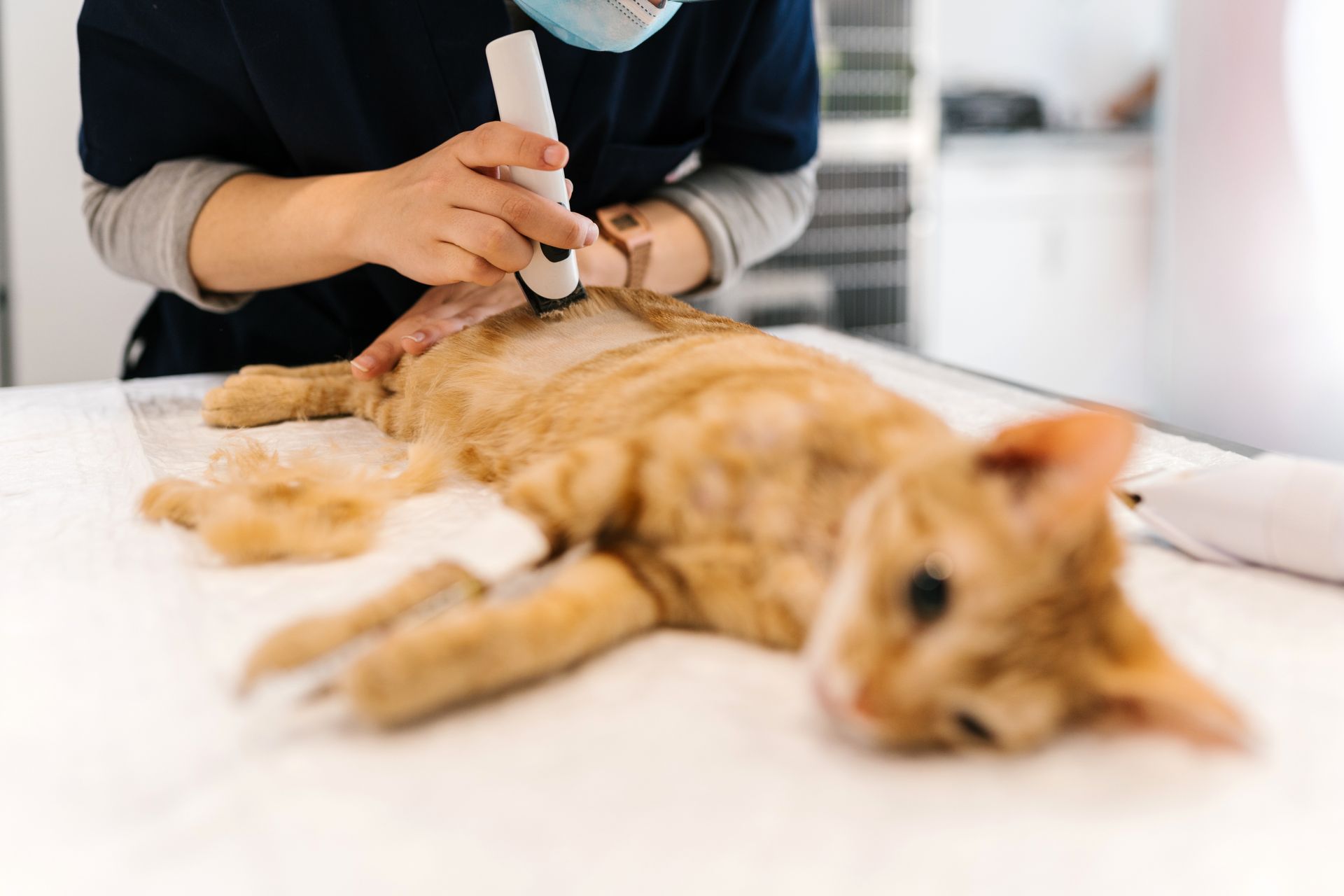
Step 1: Assess the Severity of Your Pet's Condition
Know whether your pet needs emergency care right now. Some signs are unmistakably urgent, while others can wait a few hours. Acting on the wrong assumption in either direction can cause harm.
Signs That Require Immediate Emergency Care
Go straight to an emergency clinic if you see any of the following:
- Difficulty breathing or open-mouth breathing in a cat.
- Collapse, unresponsiveness, or extreme weakness.
- Suspected poisoning from antifreeze, chocolate, grapes, or human medications.
- Uncontrolled bleeding that does not slow after five minutes of direct pressure.
- Seizures lasting more than two minutes or multiple seizures in a short period.
- Distended, hard, or painful abdomen, especially in large or deep-chested dogs.
- Inability to urinate, especially in male cats.
- Pale, blue, or white gums.
- Trauma such as a car accident, animal attack, or fall from height.
- Suspected snakebite, a genuine risk in Volusia County's wetland-adjacent neighborhoods.
Signs That Are Urgent but May Allow a Brief Wait
- Vomiting or diarrhea more than twice in an hour.
- Limping with weight-bearing ability still present.
- Sudden eye discharge or squinting.
- A small laceration that is not actively bleeding.
If you are unsure, treat the situation as an emergency and call ahead. An emergency vet near Ormond Beach, FL, can help you determine urgency over the phone before you make the drive.
Step 2: Stabilize and Transport Your Pet Safely
Calm handling reduces injury risk for both you and your pet. A frightened or injured animal may bite or scratch even if normally gentle.
Keep your pet as still as possible. For a dog, use a firm blanket as a stretcher if you suspect a spinal injury. For a cat, place it gently in a carrier with a towel over the top to reduce stress. Do not apply tourniquets, give human medications, or attempt to clean deep wounds. If a foreign object is embedded, do not remove it. Drive calmly but promptly; Volusia County's A1A and US-1 corridors can carry late-night traffic, particularly on weekends, so allow extra time.
Step 3: Call Ahead Before You Arrive
Calling before you leave gives the emergency vet near Ormond Beach, FL, time to prepare and gives you accurate directions and current wait-time information.
The team serving Ormond Beach, FL, for after-hours emergency care is available at (386) 761-1911. When you call, describe your pet's species, breed, approximate weight, age, the main symptom, how long it has been present, and any recent exposure to toxins or trauma.
Approximate drive times to the South Daytona clinic:
- Ormond Beach, FL: approximately 16 minutes via US-1 South.
- Daytona Beach, FL: approximately 10 minutes.
- Port Orange, FL: approximately 15 minutes.
- New Smyrna Beach, FL: approximately 20 to 25 minutes.
Hours of operation: Monday through Thursday, 6:00 PM to 8:00 AM. Open 24 hours Friday through Sunday.
Step 4: What to Bring to the Emergency Vet
Gathering these items before you leave speeds up check-in and helps the team provide better care:
- Medical records or notes from your regular vet, including current medications and known allergies.
- The name or packaging of any substance your pet may have ingested.
- Vaccine history, if available.
- A form of payment: major credit cards, cash, personal checks, and CareCredit financing are accepted.
- A carrier or blanket to keep your pet contained and comfortable.
- A second person if possible, so the driver can focus on the road.
What to Do Before You Arrive at the Emergency Clinic
Stay calm and note what your dog may have eaten or been exposed to. Bring a sample or photo of the plant or substance if possible. Call ahead so the team can prepare for your arrival. Avoid giving your dog food, water, or home remedies unless instructed by a veterinary professional.
What Happens When You Arrive?
At an emergency vet near Ormond Beach, FL, your pet will go through a triage process similar to a human emergency room. Critical cases are seen first regardless of arrival order. A veterinarian will perform a rapid assessment, stabilize your pet, then discuss diagnostics and treatment options with you.
Does Volusia County Have After-Hours Poison Resources?
Yes. A pet poison hotline offers 24/7 phone assistance for suspected ingestions. If the hotline advises emergency care, go directly to a clinic rather than waiting until morning. Florida pets face region-specific hazards including toxic plants common to the Halifax and Intracoastal areas, cane toads encountered after rain, and rodenticide ingestion. Knowing the name and quantity of the suspected substance before you call makes a significant difference in the outcome.
Learn more about diagnostics, surgery, and critical care on the
service capabilities page. For directions and hours,
visit the contact page.
Get the After-Hours Pet Care Volusia County Pet Owners Count On
Assess the severity, stabilize and transport carefully, call ahead, and bring the right items. Veterinary Emergency Center of East Volusia (VECEV) serves Ormond Beach, FL, and surrounding communities including Daytona Beach, Port Orange, and New Smyrna Beach with compassionate emergency care for dogs and cats of all sizes. Call
(386) 761-1911 any time you need guidance or are on your way in. Find directions and reviews through the
Veterinary Emergency Center of East Volusia Google Business Profile.